

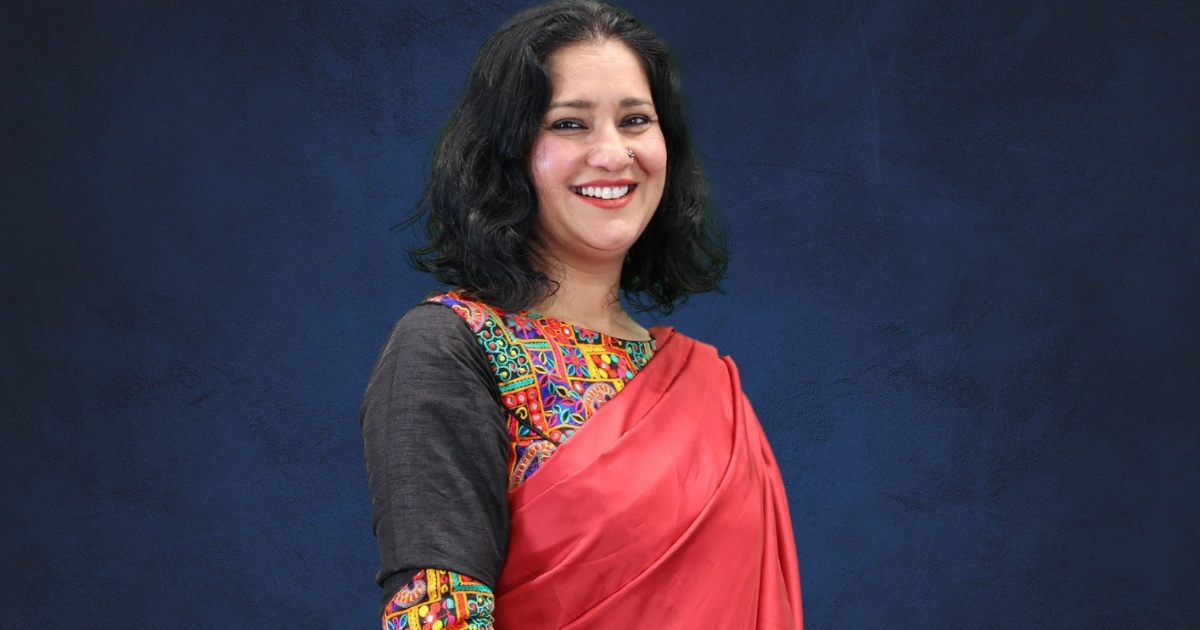
From Lucknow to Melbourne, educator and artist Bushra Hasan reflects on her journey of adapting, creating, and staying rooted while inspiring others through art and community.
When Bushra Hasan speaks about her life, the words flow with the rhythm of an artist who has long learned to see the extraordinary in the everyday. Born in Kora Jahanabad, a small town in Uttar Pradesh, and raised in the cultural heartbeat of Lucknow, she grew up surrounded by poetry, ghazals, and the soft hum of Sufi traditions. Art, she says, was never a choice—it was inevitable.
Her childhood home was warm and non-materialistic, shaped by parents who were both politically active and deeply committed to community service. Her mother, an advocate for women’s rights, became Bushra’s first role model of strength. “I grew up in a household of strong women,” she recalls. “My mother was fearless, determined to change society, and I think I have carried that spirit with me.”
After completing a Bachelor’s in Fine Arts at Jamia Millia Islamia in New Delhi, Hasan built a creative career in India, blending visual art with community work. One of her early ventures, a social enterprise called Indy Bindi, captured the imagination of the public, earning national recognition and media coverage. It was proof that her vision—to use art as both expression and social tool—had resonance far beyond her studio.
In 2013, Hasan and her husband Gaurav decided to seek new horizons. Armed with a Skilled Migrant Visa and a sense of adventure, the young couple left behind the security of established careers in India. “We were in our twenties, comfortable, but restless,” she says. “Australia seemed like an adventure, full of beaches, energy, and possibilities.” Their journey took them across Sydney, Melbourne, Tasmania, Brisbane, and finally back to Melbourne, where they now raise their two children, Kabir and Ronak.
The move was not without setbacks. “The biggest challenge was not being recognised,” Hasan admits. “In India I had momentum; in Australia, I had to start over.” Yet resilience has been a constant thread in her story. “I always have plan A, plan B, and even plan C. If one fails, I move to the next. Never giving up—that’s my way of living.”
Her persistence paid off. In Melbourne, she found her artistic voice again, culminating in one of her proudest achievements—painting a tram that became a symbol of community expression. Today, her projects are widely recognised and warmly received, a testament to her ability to blend aesthetics with purpose.
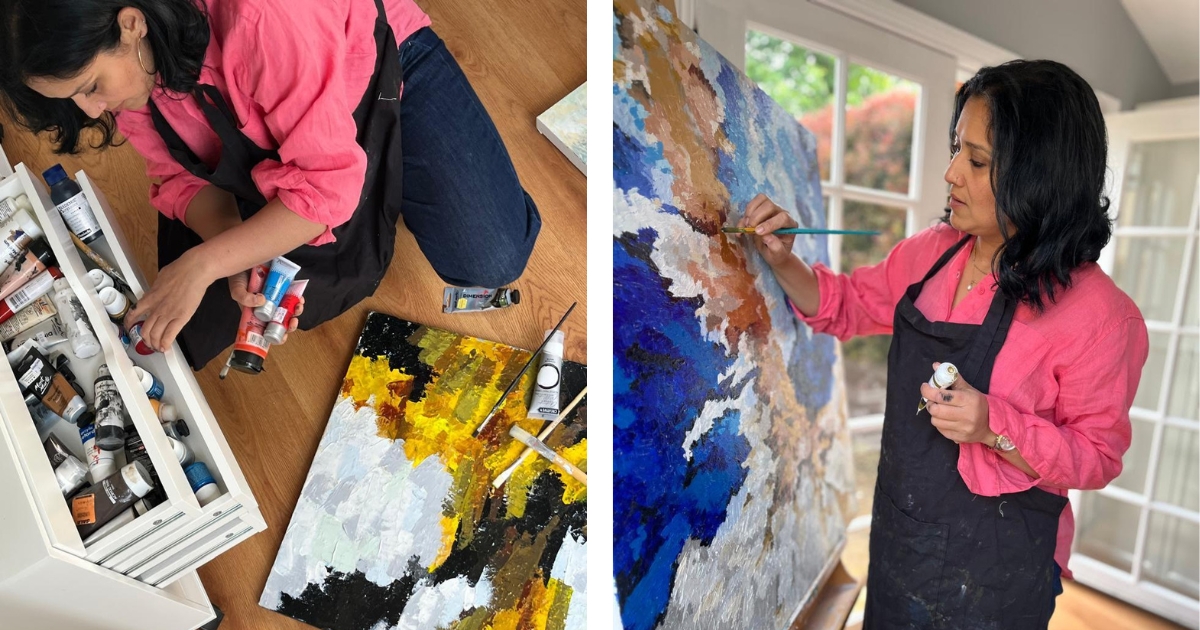
For Hasan, art is not merely visual beauty. It is, she says, “pure self-expression, without boundaries.” When she paints, she enters a meditative state, shedding her naturally high energy and becoming still, absorbed in colour and form. “It feels sacred,” she says simply.
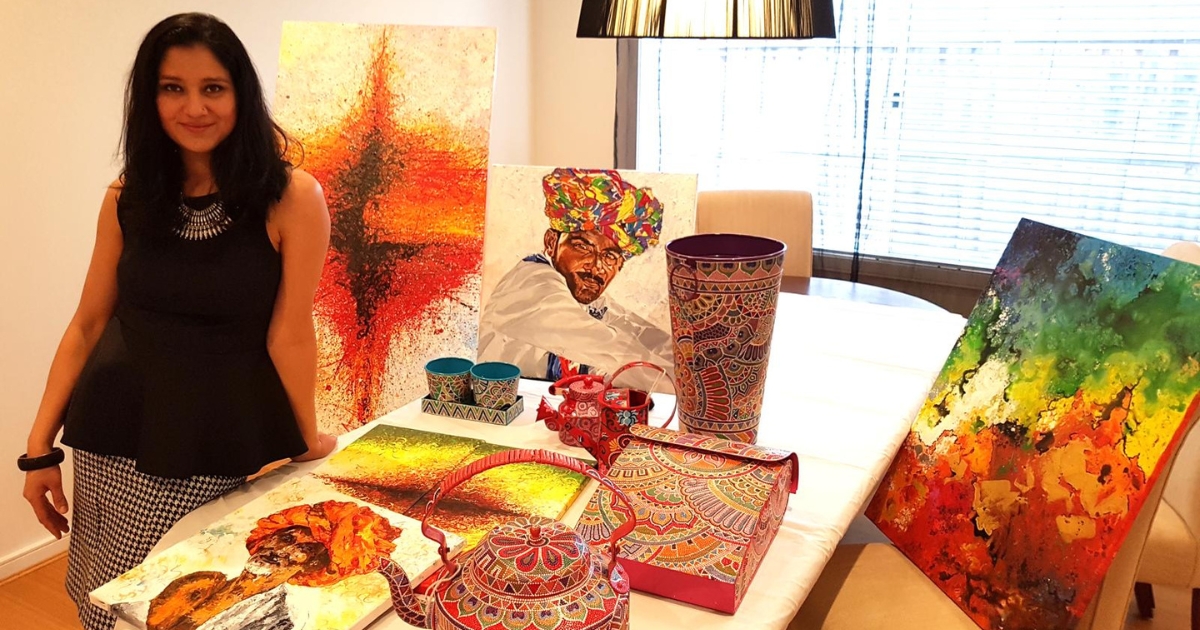
Her cultural heritage remains at the heart of her practice. Descended from freedom fighters, she carries a strong sense of patriotism, even as she embraces a global identity. “In India, I was just an artist. Here, I am an Indian artist. It makes me proud.” At home, Hindi is spoken, traditions are celebrated, and her children are raised in an environment rich with heritage.
Hasan’s vision for the future is bold. She is working to establish a new form of social enterprise in Australia, inspired by the models she knew in India. “Australians are not yet familiar with it in the way I experienced,” she explains. “I want to create something that not only engages people but makes a real difference in the community.”
Her journey from Lucknow to Melbourne has been filled with both triumphs and trials, but Hasan embraces it as the adventure she once sought. “Life is about the journey, not the destination,” she reflects. “Good and bad are both experiences. When life throws lemons, I make lemonade—and I am excited about what’s ahead.”
By Tonee Sethi
