

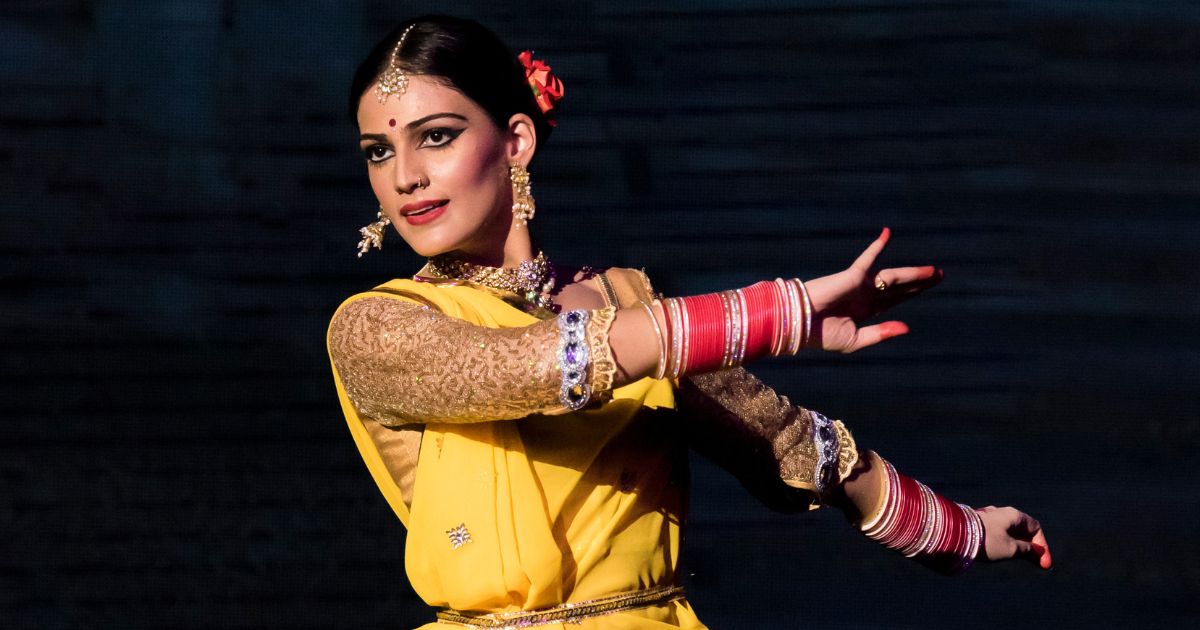
From global stages to Melbourne’s classrooms, Sanchita Abrol redefines success as service through art.
When Sanchita Abrol speaks of Kathak, she speaks of a life shaped by rhythm, discipline, and devotion. An accomplished Indian classical dancer, choreographer, teacher, and creative arts therapist, she has spent nearly a decade in Australia championing South Asian art forms while carving out a distinctive space for cultural expression and wellbeing.
Born in India with family roots in Jammu and Kashmir, Sanchita grew up in a home where music was woven into daily life. Her father, a paediatric oncologist, filled the house with melodies, while her mother ensured both daughters were immersed in classical music and dance. Sanchita began with Odissi before discovering Kathak, and by age five she was already committed to the art form.
Her defining moment came the day she watched Padma Shri Guru Shovana Narayan perform. Determined to train under her, Sanchita travelled daily to Delhi—a demanding routine for a young girl, but one her parents encouraged wholeheartedly. She later joined the maestro’s repertory, performing across India and internationally and gaining exposure that shaped her artistic foundations.
In 2014, Sanchita moved to Melbourne to pursue a Master’s in Public Policy at the University of Melbourne. She was drawn to the program’s academic depth and global perspective. Melbourne itself, with its multicultural vibrancy, quickly felt like home. She embraced the city’s diversity, the friendships she formed, and the intellectual space to debate policy, politics, and cultural identity. Her only ongoing complaint—Melbourne’s unpredictable weather.
Her academic path expanded over time, leading to three Master’s degrees, including one in Creative Arts Therapy. This interdisciplinary lens helped her establish Katha Prana, a South Asian centre dedicated to advancing traditional art forms as tools for mental health and emotional wellbeing. For Sanchita, dance is not only performance; it is therapy, heritage, and community-building.
Her artistic milestones span continents: performances in Europe, Africa, Sri Lanka, and Australia, and appearances on iconic Indian stages including Kala Ghoda and the Banaras Hindu University festival. In Melbourne, she has collaborated with musicians and dancers across cultures, from merging Kathak with live harp to blending it with Carnatic vocals. She also curates the Melbourne Kathak Festival, now a recognised platform for local and international talent.
Among her many performances, one holds special meaning. Soon after becoming a mother, she reinterpreted her Guru’s iconic piece Chand, infusing it with the vulnerability and emotional depth of new motherhood. The work resonated deeply with audiences and opened important conversations about postnatal depression within South Asian communities.
Sanchita’s vision of success is rooted in preservation and purpose: maintaining the purity of Kathak, nurturing future generations of dancers, and ensuring South Asian art forms find recognition within global creative arts therapy frameworks. Her commitment extends into social impact, offering free therapeutic support to victims of domestic violence and modern slavery.
Spiritually anchored in Krishna and supported by her Guru and family, Sanchita balances her many roles with quiet determination. Her aspirations include deeper research into the Natya Shastra and creating inclusive Australian stages for specially abled artists.
For her, happiness lies in Rasa—that rare moment of transcendence where artist and audience connect as one. It is the state she strives to create, whether through dance, therapy, or community engagement.
- Tonee Sethi
