


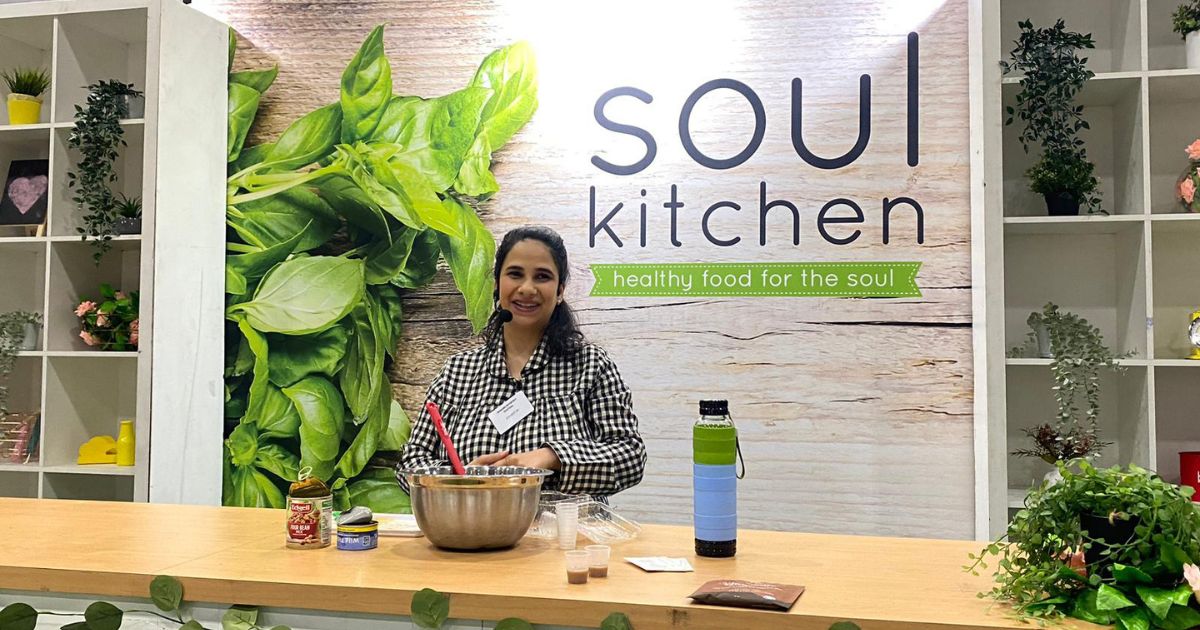
Dietitian Deevya Gupta is helping Australians reconnect with food through culture, compassion and common sense.
There is a calm reassurance in the way Deevya Gupta speaks about food. No guilt. No fear. No impossible rules. Just balance, understanding and a genuine belief that nutrition should support life, not complicate it.
At a time when wellness trends flood social media feeds with conflicting advice and restrictive eating fads, Deevya represents something increasingly rare in modern health conversations: clarity grounded in science, culture and lived experience.
For Deevya, becoming a dietitian was never the obvious path. Raised in an Indian family in Australia, the traditional expectations were familiar — medicine, stability, prestige. Like many children of migrant families, the idea of becoming a doctor lingered heavily in the background. Yet even while she wanted to help people, she instinctively knew the conventional medical route was not for her.
Ironically, her earliest ambitions had little to do with healthcare at all. She once dreamed of becoming either an astronaut or a geologist. But everything shifted in Year 9 when an inspiring food technology teacher introduced her to the world of nutrition and food science. What began as curiosity soon evolved into purpose.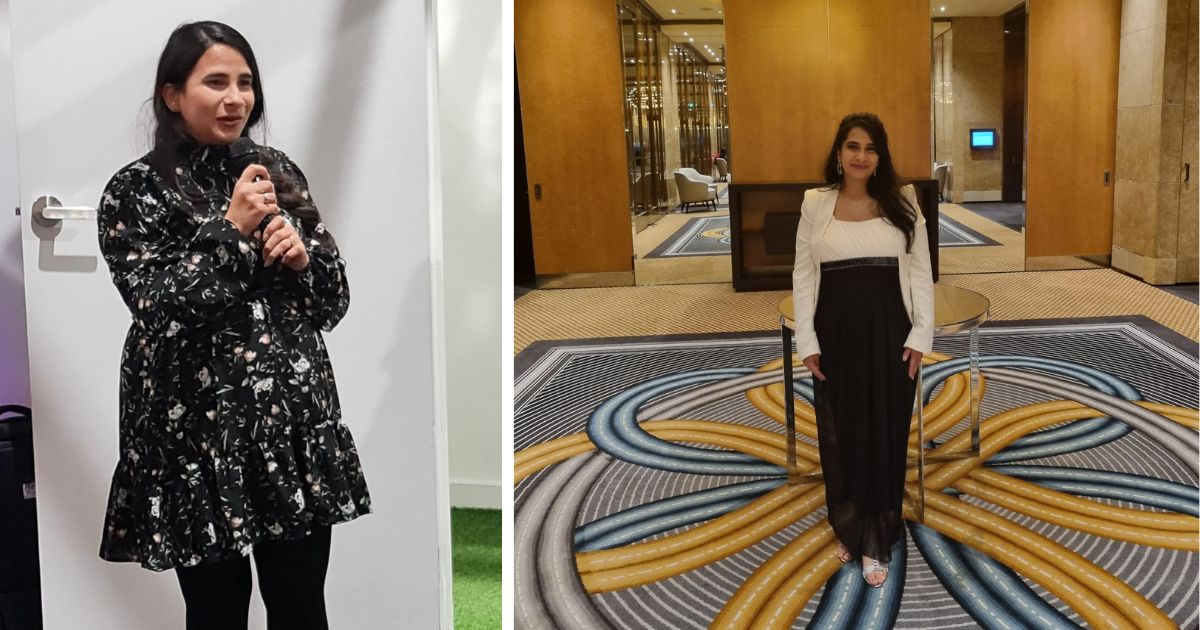
That purpose demanded persistence. Deevya completed a Bachelor of Nutrition degree, followed by an honours research year to strengthen her chances of entering a highly competitive master’s program. Two more years of postgraduate study followed before she earned her title as an Accredited Practising Dietitian.
“It took six years of study altogether,” she says with a smile, reflecting on a journey that was not always understood, even at home.
“At the time, my parents did not fully know what a dietitian actually did. But after seeing me work for several years, they now proudly tell everyone their daughter is a dietitian.”
Today, Deevya has become part of a growing wave of culturally aware health professionals reshaping the way multicultural Australia approaches nutrition. When she first entered the industry over a decade ago, Indian dietitians were still relatively uncommon. Patients would travel long distances simply to consult someone who understood their food, traditions and lifestyle.
That demand has only intensified.
As chronic health conditions such as diabetes and cardiovascular disease continue rising across South Asian communities, culturally appropriate nutritional guidance has become increasingly important. Deevya explains that South Asians remain among the highest risk groups for developing chronic illness, influenced by both genetics and rapidly changing modern lifestyles.
“The Western diet has infiltrated every culture,” she explains. “Processed foods, convenience foods and sedentary lifestyles have become normal everywhere.”
Yet rather than dismissing traditional Indian diets, she believes many of the answers already exist within them.
“When you go back to traditional diets that are less processed, they can actually be incredibly beneficial for health.”
That philosophy sits at the core of her work. Deevya does not believe in demonising food. In fact, she openly admits she became a dietitian because she genuinely loves eating.
“Most dietitians love food,” she laughs. “We are definitely not the food police.”
It is a perspective that instantly disarms people who often arrive carrying years of guilt, confusion or anxiety around eating. Her approach focuses less on restriction and more on helping people build sustainable, realistic relationships with food.
“You should enjoy what you eat,” she says. “Nutrition is about learning how to eat the foods you love while still meeting your health needs.”
That same philosophy extends into motherhood.
As a mother of two young children, Deevya has approached parenting through both professional knowledge and instinct. Rather than creating stressful meal environments or forcing children to eat, she prioritises building healthy emotional relationships with food from an early age.
“It is not about running after them with food or forcing them to finish everything,” she says. “It is about creating a positive environment around eating.”
Her children, now growing up between cultures much like she did, are already deeply familiar with homemade rotis, dals and traditional Indian meals. Ironically, despite growing up on Indian food herself, Deevya spent much of her teenage years avoiding it in favour of pasta and Western dishes. Yet motherhood has brought her back full circle.
“I probably make more rotis now for my children than I ever thought I would,” she says.
Still, she rejects perfectionism entirely. She speaks honestly about occasionally eating McDonald’s, enjoying comfort foods and learning to balance nutrition with real life rather than idealised expectations. After becoming a mother, she also discovered a new appreciation for exercise, something she once disliked growing up.
“I used to be the last one in PE class,” she laughs. “Now the gym has become my time to disconnect from everything else.”
In many ways, that balance defines her entire outlook. Not extremes. Not punishment. Not fear. Just mindful choices, consistency and compassion.
Perhaps that is why her message resonates so strongly in an era overloaded with online misinformation and wellness noise. Beneath the qualifications and clinical expertise is someone deeply committed to making nutrition feel less intimidating and more human.
Her advice, ultimately, is remarkably simple.
“Love your food,” she says. “Listen to your body. And if you are overwhelmed by all the mixed messages out there, speak to a dietitian. We are here to support you, not judge you.”
For Deevya Gupta, food has never simply been about calories or trends. It is culture. Memory. Family. Identity. And most importantly, something meant to be enjoyed.
By Tonee Sethi
