

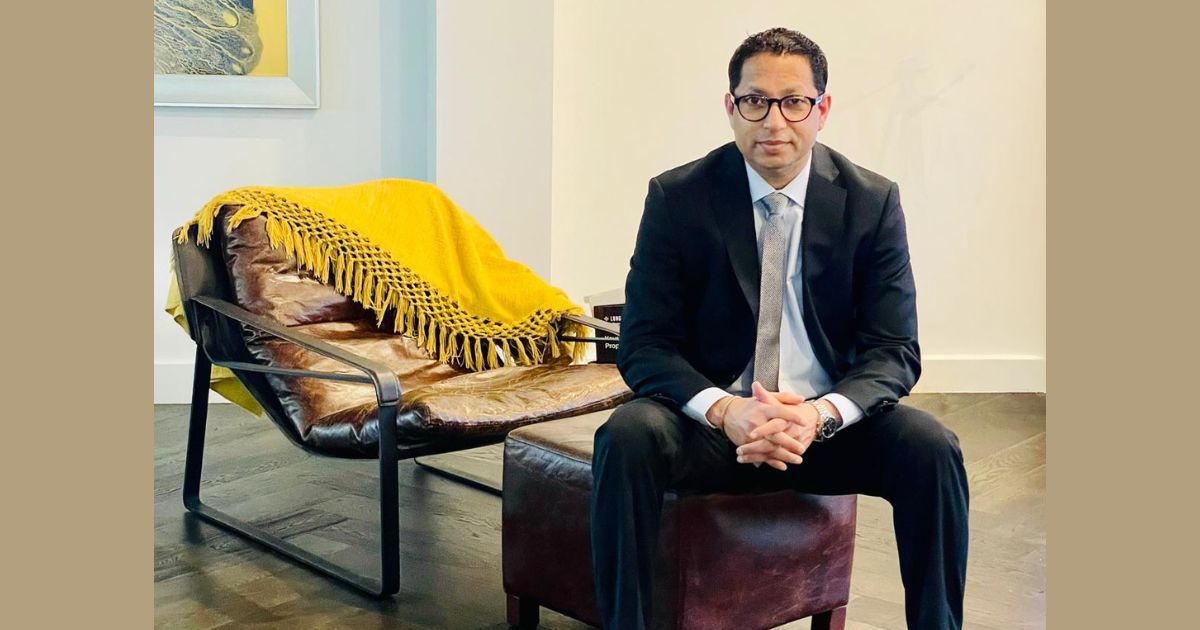
From Air Force discipline to financial guidance, Ali Muhammad’s journey reflects resilience, balance, and the migrant pursuit of meaningful success.
There is a quiet calm in the way Ali Muhammad speaks about money.
Not the kind driven by ambition alone, nor the loud certainty often associated with wealth building, but something steadier — a belief that financial security is ultimately about freedom, peace of mind, and the ability to live life on your own terms.
For Ali, financial planning was never simply about numbers. It was about understanding why people work so hard in the first place.
“Most people spend decades studying and working without ever clearly defining what they actually want from life,” he says thoughtfully. “The earlier you understand your goals, the easier it becomes to build towards them.”
Today, Ali is the director of Planet Wealth, a Melbourne based financial planning business helping individuals and families navigate everything from wealth creation and mortgages to retirement planning and insurance. But behind the polished professionalism is a journey shaped by migration, reinvention, and persistence.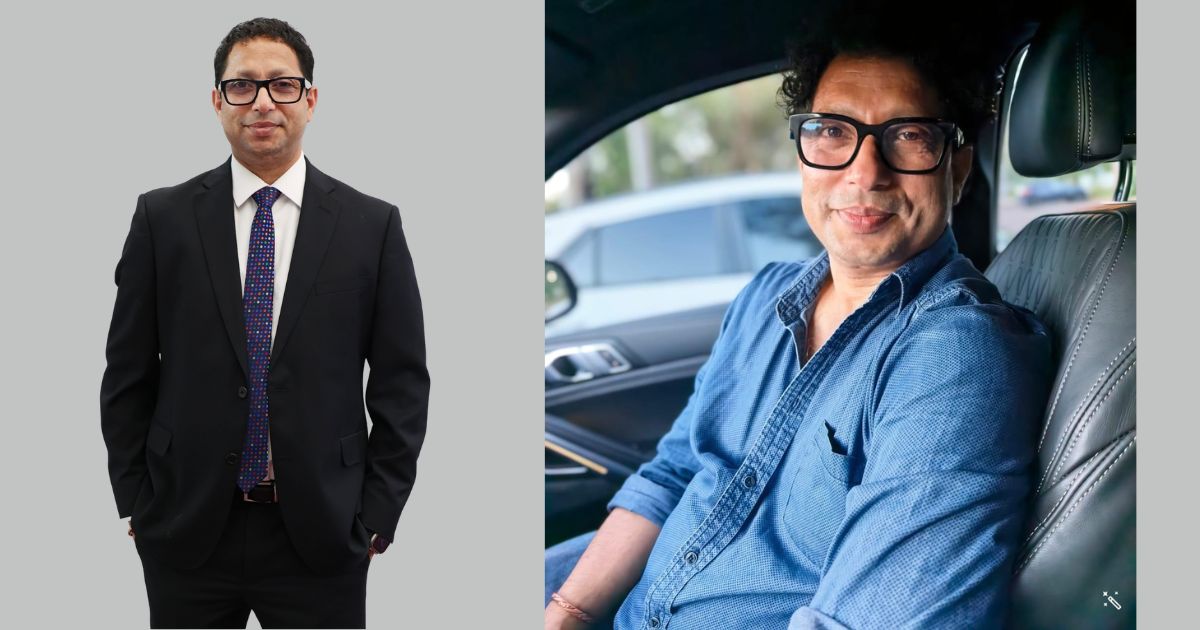
Born in India’s Andhra Pradesh region, Ali’s early career looked very different to the life he leads today. He spent over a decade serving in the Indian Air Force before transitioning into the corporate world with Apple Inc., working in sales within a highly creative environment. It was a chapter filled with innovation, filmmakers, artists, and fast moving ideas, a world he still remembers fondly.
Then life shifted.
When Ali and his wife Razia welcomed twins, the demands of family life made the unpredictable nature of the creative industry increasingly difficult to sustain. Looking for stability and opportunity, the family made a decision that would redefine their future — migrating to Australia in 2004.
Like many migrants, Ali’s Australian story did not begin with prestige or comfort.
“When we arrived here, we started from the basics,” he says.
His English was limited at the time, and his first role was far removed from financial advisory boardrooms. He worked for a signage company in Melbourne’s Box Hill, walking shop to shop generating sales before returning to help with installations after hours and on weekends.
“It was not glamorous, but I was grateful to have work,” he recalls.
That willingness to start again became one of the defining traits of his journey. Over the next several years, Ali moved through various sales roles while quietly developing a fascination with money, taxation, and long-term financial security.
Initially, the interest was personal.
As a migrant raising a young family in a new country, he wanted to understand how Australia’s financial systems worked and how ordinary people could build security from scratch. After engaging his own financial adviser and asking endless questions, Ali was encouraged to formally study financial planning himself.
That decision would change everything.
Today, his philosophy around financial advice stands apart because it avoids the transactional language many people associate with the industry.
Ali does not begin conversations by talking about products or investment portfolios. Instead, he asks clients a deceptively simple question:
“What would your life look like if you no longer had to wake up to an alarm tomorrow?”
The answers often reveal far more than spreadsheets ever could.
A paid off home. Time with family. Passive income. Children’s education. Travel. Peace of mind.
For Ali, those aspirations form the real foundation of financial planning.
“I do not believe in pushing products,” he explains. “I believe in understanding people first.”
It is a philosophy rooted in empathy as much as expertise. Perhaps that is why much of his work also extends beyond business and into community education.
Ali regularly volunteers his time speaking at schools, community centres, and migrant groups, particularly within Indian and Southeast Asian communities, helping people understand budgeting, saving, investing, and financial literacy.
He believes Australia still has significant work to do in teaching money management from a young age.
“If children understood financial literacy early in life, it would completely change the way future generations approach money,” he says.
Yet despite decades spent building professional success, Ali’s definition of achievement remains refreshingly grounded.
Success, he insists, is not measured purely by bank balances.
“It is about balance,” he says. “Health, family, meaningful work, financial freedom, and helping people around you.”
There is perhaps no better reflection of the migrant experience than that perspective itself — the understanding that wealth alone rarely satisfies unless it is connected to purpose.
For Ali Muhammad, the journey from the Indian Air Force to financial adviser was never really about chasing money. It was about creating stability, building freedom, and helping others do the same.
And after more than two decades in Australia, that purpose still drives him every day.
By Tonee Sethi
